Peeling Paint Textures: Elevating Digital Creativity with Unique, Modern Design Elements
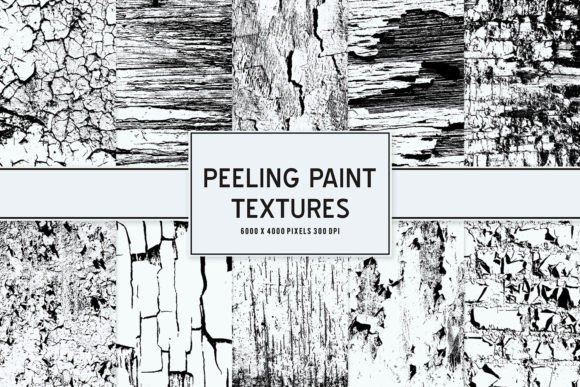
In the world of digital design, texture plays a crucial role in creating depth, visual interest, and a sense of realism. Among the many available options, Peeling Paint Textures stand out as a unique and versatile resource for creators looking to add character and authenticity to their projects. These high-resolution textures, featuring cracked and flaking paint effects, offer a modern aesthetic that resonates with current design trends and user expectations.
The Appeal of Peeling Paint Textures
Peeling Paint Textures is more than just a collection of digital papers—it's a toolkit for designers, marketers, and creative professionals who want to infuse their work with a touch of imperfection that feels intentional. The cracked, flaking paint effect evokes a sense of age, history, and nostalgia, which can be incredibly powerful when used thoughtfully.
These textures are especially relevant in today’s design landscape, where minimalism often takes precedence. However, there’s a growing appreciation for subtle details that add personality without overwhelming the viewer. Peeling Paint Textures provide that perfect balance by introducing visual interest without sacrificing clarity or readability.
Why Peeling Paint Textures Are in Demand
The demand for Peeling Paint Textures has grown alongside shifting creative practices and evolving user preferences. As more businesses and individuals move toward digital-first strategies, the need for high-quality, adaptable assets has never been greater. Whether you're designing a website, crafting social media content, or working on a branding project, these textures offer a quick and effective way to enhance your visuals.
Moreover, the rise of platforms like Canva and Adobe Creative Cloud has made it easier than ever for non-designers to create professional-looking content. With Peeling Paint Textures, even those new to graphic design can elevate their work with a few simple steps. This accessibility makes them an excellent choice for entrepreneurs, bloggers, educators, and hobbyists alike.
Practical Applications Across Industries
The versatility of Peeling Paint Textures makes them suitable for a wide range of applications. Here are just a few examples:
- Business Cards and Branding: Add a unique touch to your business cards or marketing materials with a subtle peeling paint effect that conveys professionalism with a hint of creativity.
- Social Media Graphics: Use these textures as backgrounds for Instagram posts, Facebook banners, or LinkedIn profiles to stand out in a crowded feed.
- Digital Scrapbooking and Photography Albums: Enhance the storytelling aspect of your photos with textured overlays that evoke emotion and atmosphere.
- Wedding Invitations and Party Designs: Create a vintage or rustic feel for special events with the right texture overlay.
- Product Packaging and Website Backgrounds: Use the textures to give your products or websites a distinctive look that sets them apart from competitors.
Technical Specifications That Matter
When choosing digital assets, quality is key. Peeling Paint Textures are designed with professional-grade specifications in mind. Each texture comes in both JPG and PNG formats, ensuring compatibility across a wide range of design software. With dimensions of 6000 x 4000 pixels and a resolution of 300 DPI, these files are ideal for print and digital use alike.
Additionally, the textures are optimized for RGB color spaces, making them compatible with Adobe Photoshop CC and higher versions. This ensures seamless integration into your workflow, whether you're editing images, creating graphics, or designing layouts.
How to Use Peeling Paint Textures Effectively
While Peeling Paint Textures are easy to use, they require some thoughtful application to achieve the best results. Here are a few tips for incorporating them into your designs:
- Layer Wisely: Use the textures as background layers rather than overpowering your main content. This helps maintain visual clarity while adding depth.
- Adjust Opacity: Experiment with different opacity levels to find the right balance between the texture and the underlying design elements.
- Blend Modes: Try using blend modes like Multiply or Overlay to integrate the texture more naturally into your composition.
- Combine with Other Elements: Pair the textures with other design elements such as fonts, icons, or photographs to create a cohesive and visually appealing layout.
The Future of Texture-Based Design
As design trends continue to evolve, the role of texture in digital projects will only become more significant. Peeling Paint Textures represent a forward-thinking approach to design that aligns with the growing preference for authenticity and emotional resonance in visual content.
With the increasing use of AI and automation in creative workflows, there’s also a renewed focus on human touches that can’t be replicated by machines. Peeling Paint Textures offer exactly that—handcrafted, imperfect beauty that adds a personal and artistic dimension to any project.
Conclusion
Peeling Paint Textures are more than just a collection of digital papers—they’re a valuable asset for anyone looking to elevate their creative work. Whether you're a seasoned designer or just starting out, these high-resolution textures can help you achieve a unique and modern aesthetic that stands out in today’s competitive design landscape.
By incorporating Peeling Paint Textures into your projects, you're not just following a trend—you're embracing a creative tool that offers both flexibility and impact. So why wait? Explore the possibilities and see how these textures can transform your next design endeavor.